
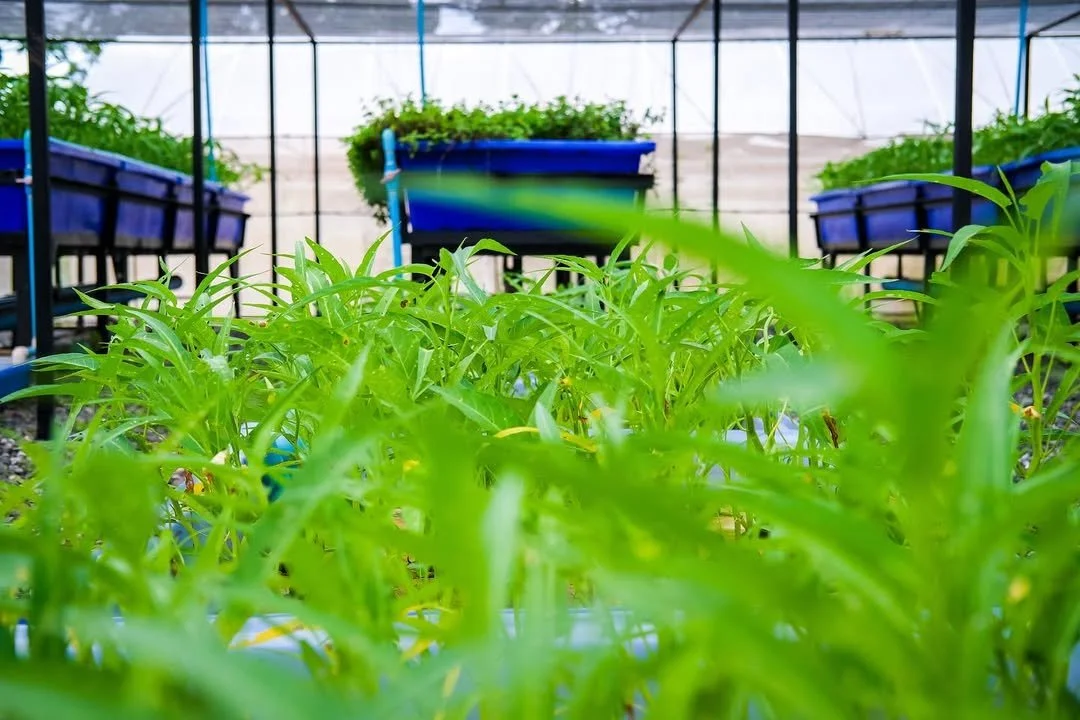
Aquaponics Farms
Built in collaboration with local organizations serving the most vulnerable.
Aquaponics
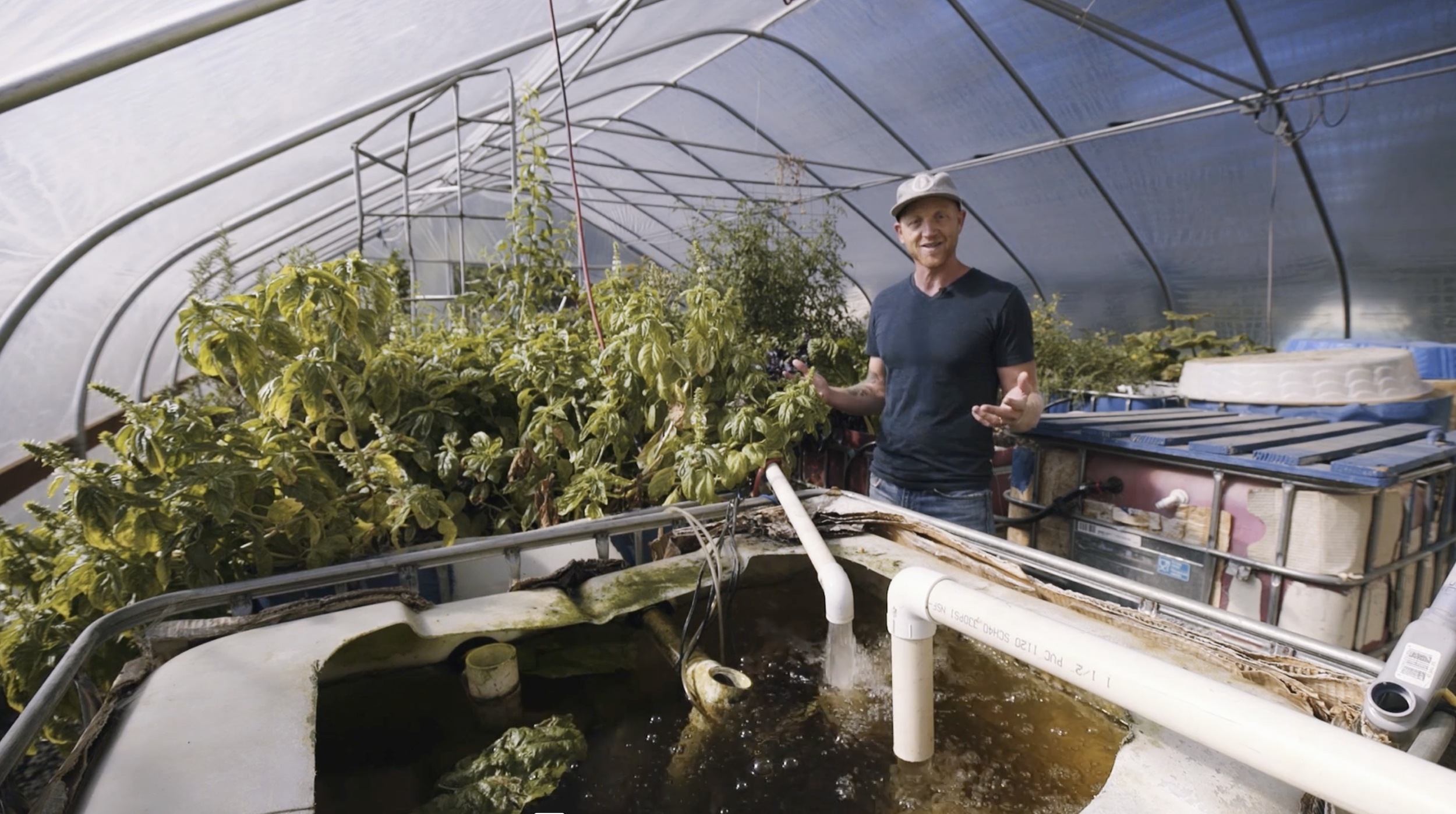
Aquaponics is a sustainable farming method that grows fish and vegetables together in a closed-loop system. These farms require no soil, use up to 90 percent less water than traditional agriculture, and produce food year-round.
Fish Farm Collaborative builds aquaponic farms in communities facing food insecurity. These farms provide consistent access to fresh, nutritious food in places where traditional farming is unreliable or unavailable.
Aquaponic systems are efficient, resilient, and well suited for diverse environments. They allow communities to grow food locally, reduce dependence on outside supply chains, and strengthen long-term food security.
Our Approach
We partner with trusted local organizations to design and build each farm. Once construction and training are complete, ownership and operations are transferred to local leaders. This ensures the farm is community-led, culturally relevant, and sustainable over time.
Fish Farm Collaborative does not operate farms long term. Our role is to build capacity, support strong partnerships, and help communities establish systems they can own and manage independently.
Why Food Security Matters
Food insecurity is a key driver of vulnerability. When families lack reliable access to food, the risk of exploitation increases. By strengthening local food systems, aquaponic farms help stabilize communities and reduce the conditions that allow human trafficking to thrive.
This is prevention upstream.
This is food security with dignity.
This is impact that lasts.
Our Impact
Fish Farm Collaborative has built aquaponic farms across four continents. These farms collectively produce more than 100,000 pounds of fish and fresh produce each year, feeding families and strengthening local resilience.
Each farm represents a long-term investment in stability, nutrition, and community leadership.
Our Roots
Fish Farm Collaborative was founded in 2014 as Fly Fishing Collaborative. As our work evolved, it became clear that aquaponic farms were the most direct and scalable way to address food insecurity and help prevent human trafficking. Our name changed to reflect this focus.
Through our sister platform, Fish Well. Do Good., we continue to mobilize the fly-fishing community to support this mission through engagement and storytelling. Fish Farm Collaborative remains focused on building farms and delivering impact.
14 Food Security Farms across 4 continents. 31,000+ lbs of fish produced annually.
Hundreds of foster kids served in fishing camps.
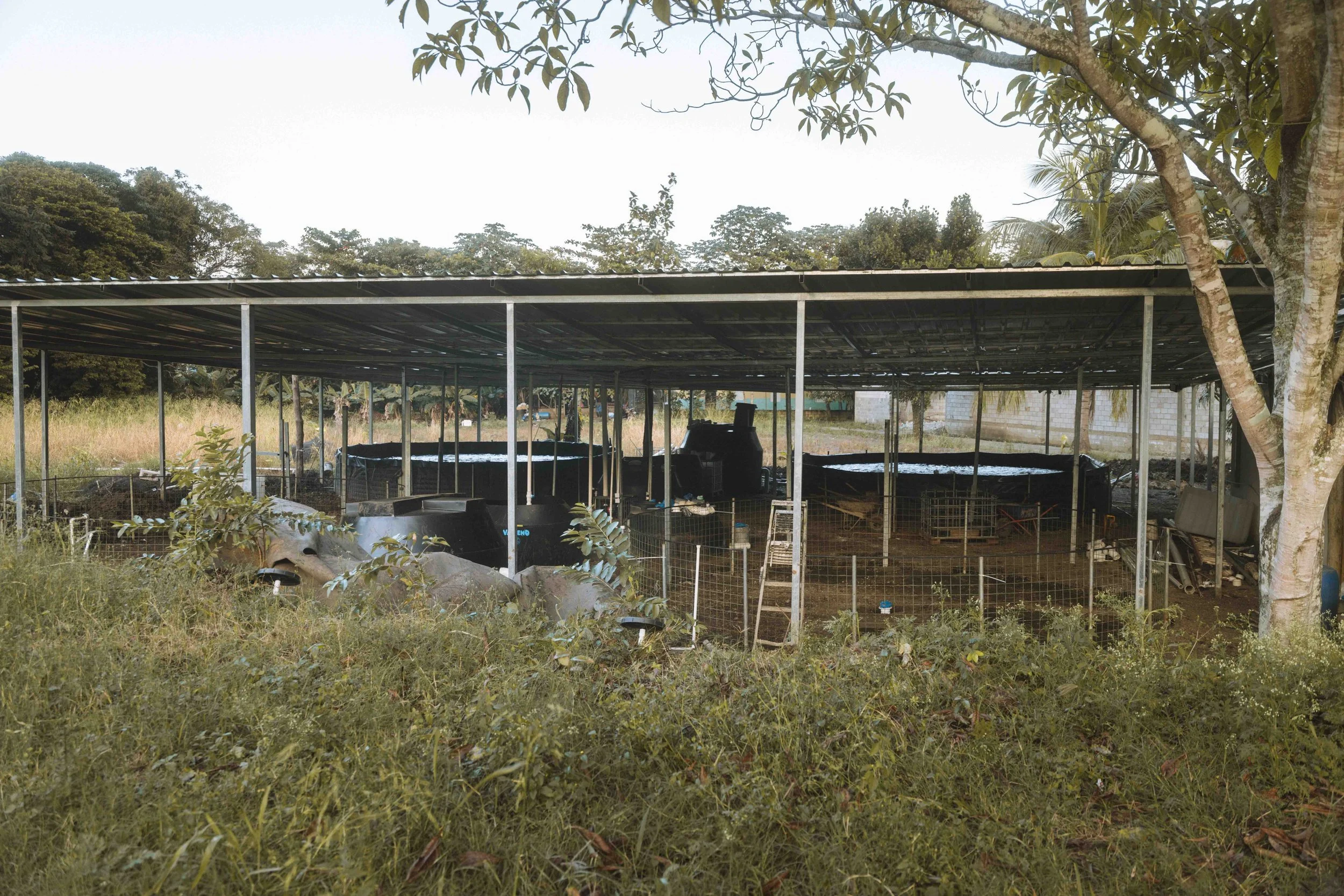
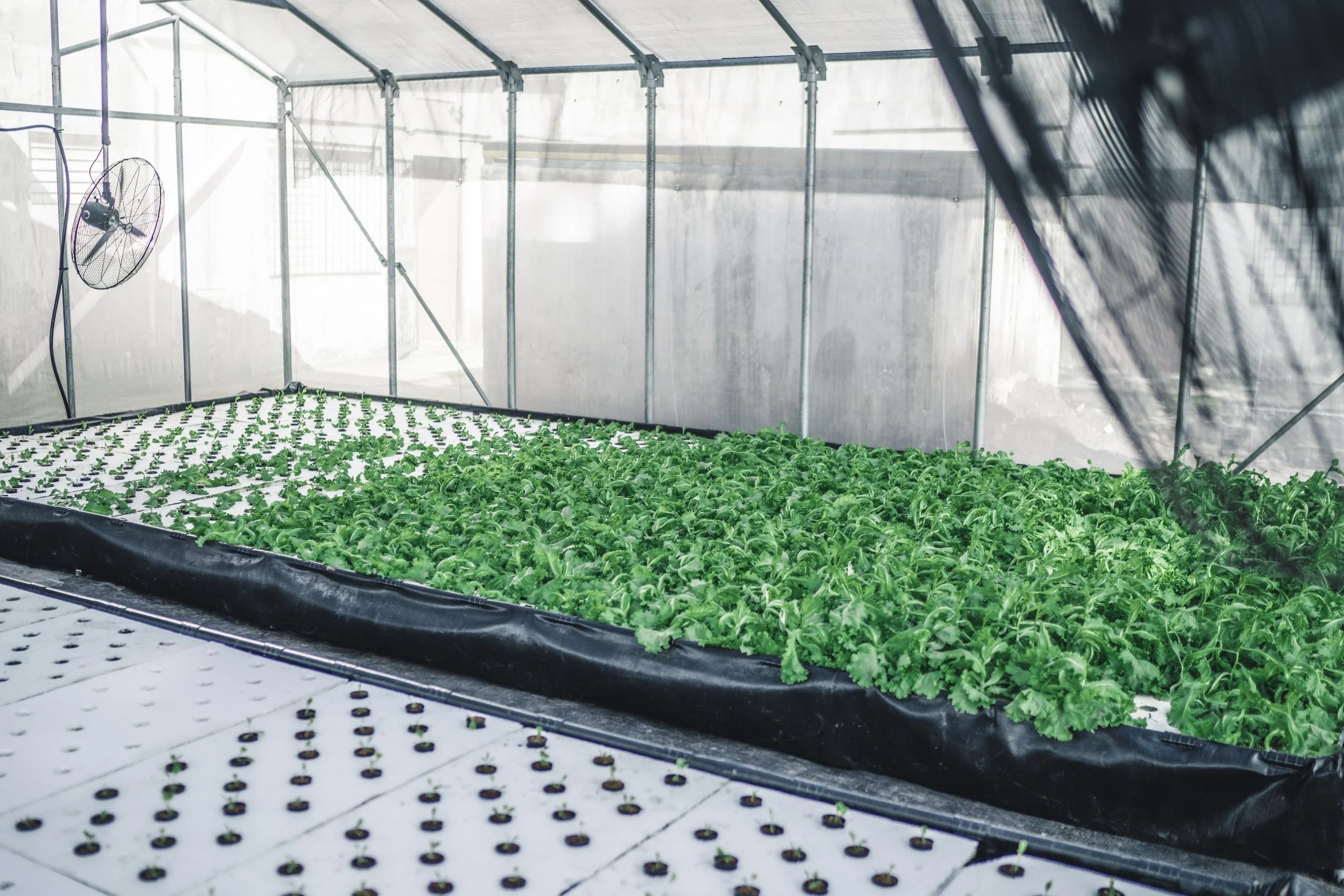
Gales Point, Belize
Fishing and farming have always been the main source of livelihood for the villagers, but over the past several decades this has become an unsustainable way of life. With very few jobs available in Gales Point, villagers have been forced to leave their families and travel to the nearest towns and cities to find work. Learn more
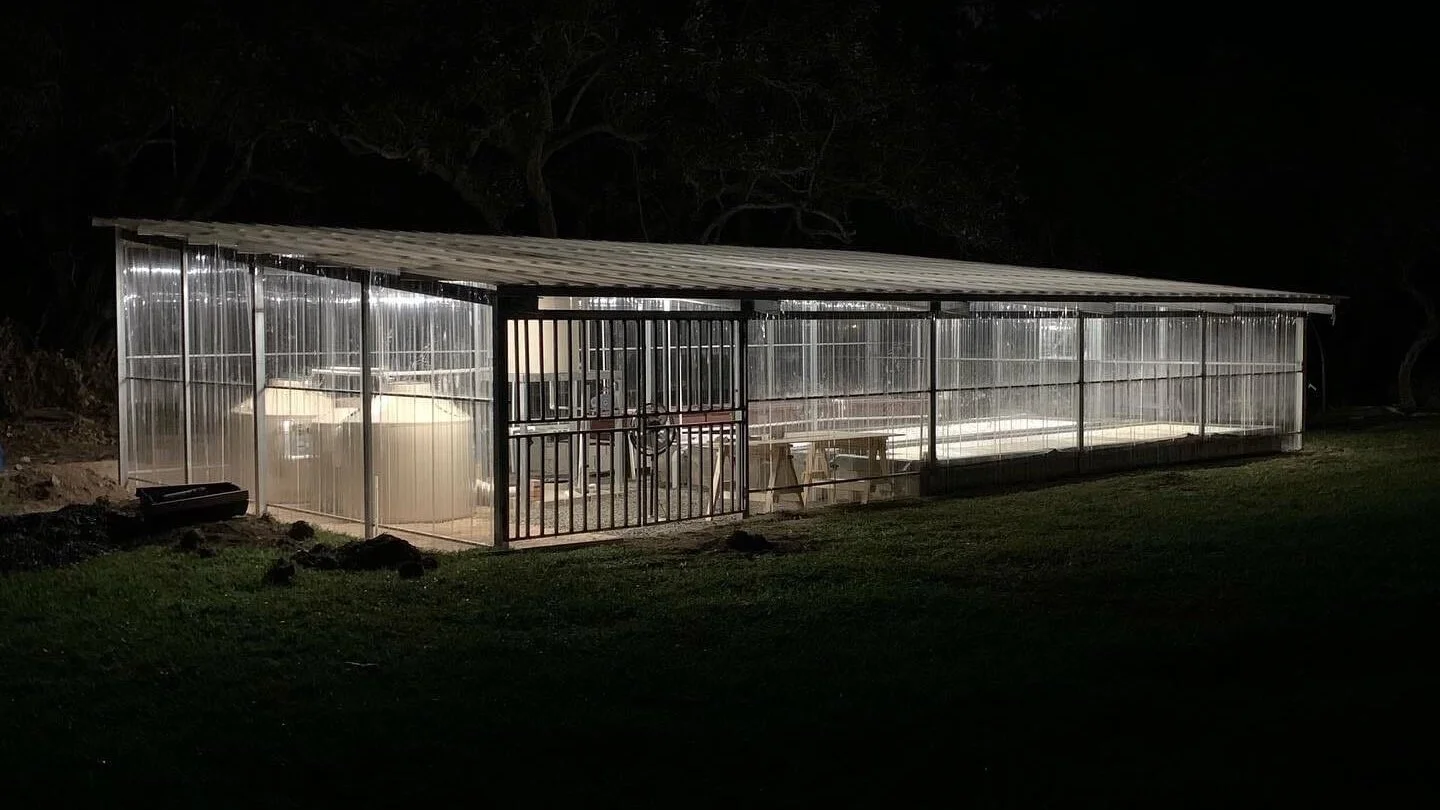
Jalaca, Honduras
Built in 2020 for New Life Children’s Home who provide a loving and stable home for children who have been abandoned and abused – working closely with families in the surrounding community to help create a better life for their children. Learn more
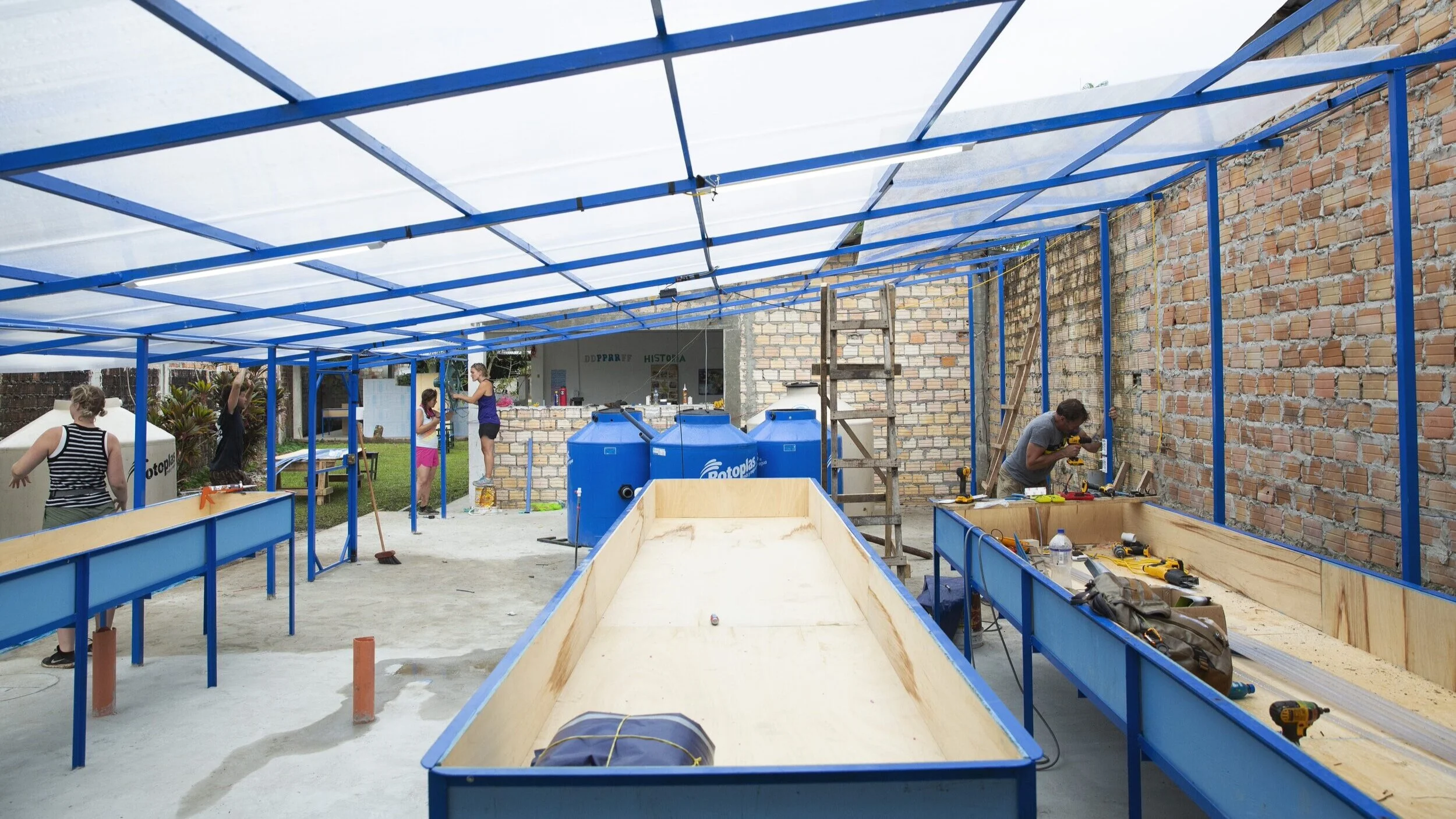
Iquitos, Peru
Built in 2019 for Help One Now, a safe home providing love, hope, restoration, refuge, safety, and healing for survivors of human trafficking. Learn more

Kathmandu, Nepal
Built in 2018 for Five14Nepal who launched a training program to teach aquaponics farming to community leaders, villagers, and those interested in learning how to create sustainable solutions in their community. Learn more

Mexico City, Mexico
Built in 2018 for El Pozo de Vida who run a rehabilitation program for sex-slave and sex trafficking victims. Learn more

Kipkaren, Kenya
Built in 2017 for Empowering Lives International (ELI). At ELI homes, over 130 children are currently fed, housed, educated, and loved. Learn more

Chang Mai, Thailand
Built in 2017 for ZOE, whose villages care for 130+ rescued children who were removed from brothels and labor camps where they were victimized and held captive. Learn more
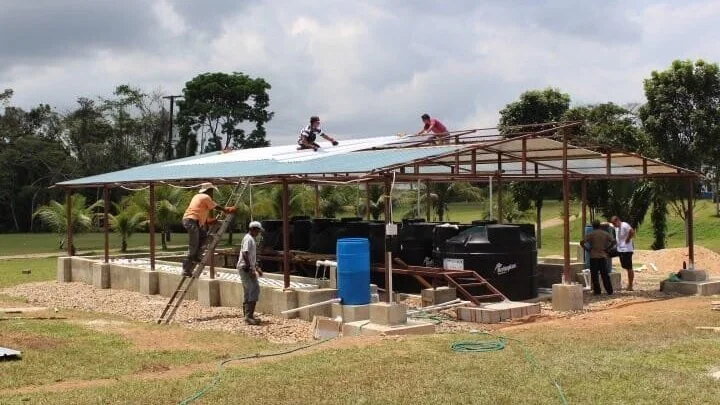
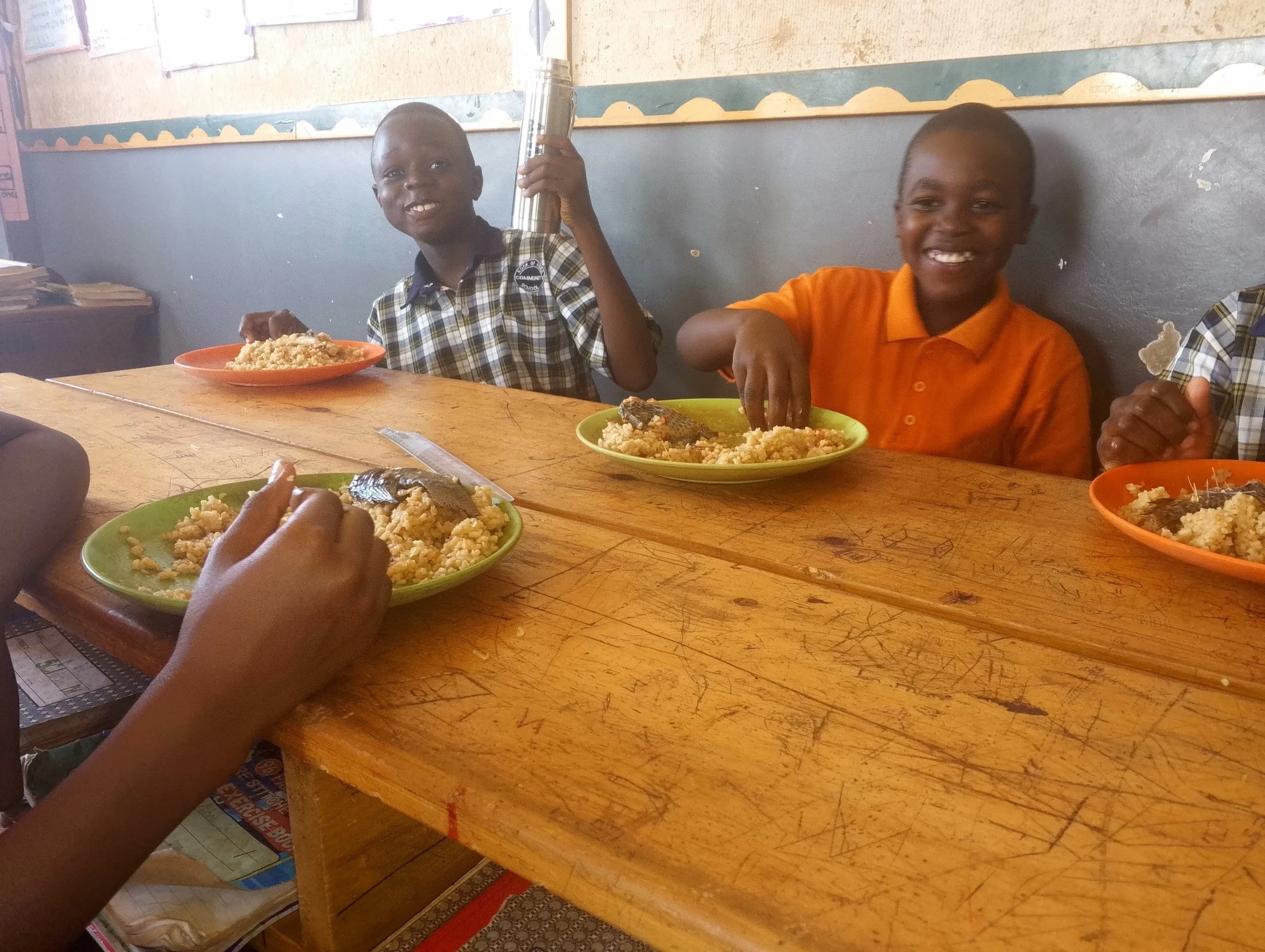
Toledo , Belize
Built in 2015 for Toledo Christian Academy,a K-8 school educating and feeding 120+ students, nurturing them to achieve some of the highest levels of academic performance in the country. Plus, the sale of fish and produce from this Farm contributes to the school’s financial stability. Learn more
After 14 Farms Around the World, We're Bringing It Home.

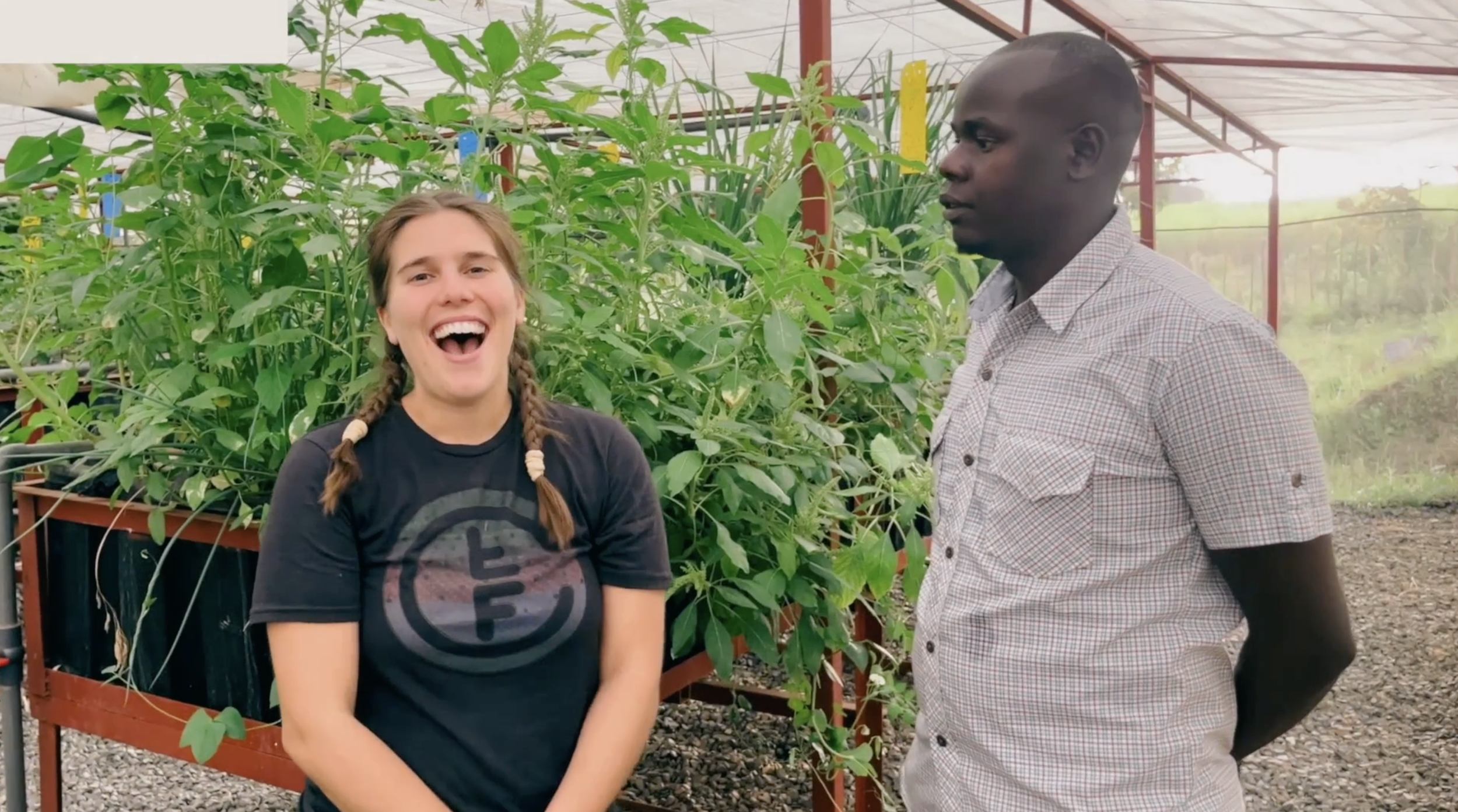
What Our Farm Partners Are Saying About Aquaponics

Be Part Of The Solution to Stop Trafficking Before It Starts
Give once. Give monthly.
Every dollar fights upstream.